Saturday, June 25, 2011

Fira Lactium: Vic

Dear Devon,

Last November, fresh off of six weeks of intensive Spanish lessons, I tested my new skills at my first Barcelona dinner party. Seated with eight other guests around a large wooden table and a generous dinner of wild mushroom risotto and braised chard, I listened to the excited chatter. The conversations moved quickly and fluidly. I strung together snippets of phrases and pieces of dialogue, my tongue stilled by their effortless chatter.

The conversation shifted to food, specifically cheese. One cheese-loving guest praised a soft, fragrant cheese from the Basque Country in emotional terms, finally pounding his fist on table in excitement and frustration with the gentle teasing of our fellow table companions. I had to interrupt. How often do I run across such an ardent cheese enthusiast? That’s when he told me where to find cheese heaven, otherwise known as the Fira Lactium in Vic, the largest town in the Catalan comarca of Osona. Like Christmas, it comes only once a year in May. I jotted down the details and even made a note in my calendar to remind myself to look for the fair in April. Six months later we were on a train headed north to the Fira Lactium.


Vic was in the full throws of its Saturday market, but the big event of the day was the cheese fair. Vegans and lactose-intolerants be warned: This is glorious dairy indulgence. I was warned to restrain myself to avoid overwhelming my tastebuds. The sour, flowery, rich smell of cheese was everywhere, as were the samples! Producers’ stands lined the street and a temporary eating hall had been erected at the heart of the fair.

When we arrived, the cheese competition was in full swing. Four tables of judges scribbling, sniffing, poking, and eating cheese filled most of the tent. Two sample plates with an assortment of hot and cold cheeses were being sold. Buying both of these meant trying sixteen different cheeses. For our panel of three, these two plates were more than enough. One cheese in particular had our heads spinning. We brought the sample to the front to ask for more details, only to be told that since the competition was still in progress, the name and origin of the cheese could not be revealed. Undeterred, we took our small sample to the each of the thirty-odd cheese stands, hoping the vendor would recognize his cheese. Unfortunately, this didn’t work either: We never did find our mystery cheese, but we boarded the train to Barcelona carrying artisanal yogurts, cheesecake, and of course, cheese.

The real surprise of the excursion was that we bumped into our fist-pounding friend, whom we found tasting the very same cheese from the Basque country that he had praised to us six months earlier.

Saturday, June 18, 2011

Coconut & Sea Salt Brownies

Dear Devon,

A few months ago, Melissa Clark had a recipe in the Times for brownies made with olive oil, sea salt, and shredded coconut. I bookmarked the recipe, and ran to the store to buy some shredded coconut, but it wasn’t until last week that I got around to making the brownies.

I thought I knew how to bake the perfect brownies: Moist, dense, fudgy squares with a crunchy crust. But Ms. Clark’s recipe gave me something to think about. She substitutes olive oil for butter, runs a layer of coconut through the brownie, and dusts the top with sea salt for extra flavor. Her tweaking of a classic recipe and play with unusual ingredients grabbed my interest right away.


I’ve only started to experiment with olive oil as a baking ingredient very recently. The wide variety of good and reasonably priced Spanish olive oil, plus my lack of an eggbeater, has made me reconsider recipes in which I always used butter. It’s broadened my repertoire. I’ve found that olive oil gives a nice fruitiness to cakes and baked goods, and renders a moist crumb that is sometimes lacking in butter-laden recipes.

Following Melissa Clark’s advice, I sprinkled the top of my brownies with good quality sea salt from Mallorca. This topping gave the brownies an unusual character and flavor, a bit peppery, and even buttery. Since buying a box of sea salt, my palette has felt the sparkle of salt. It’s become indispensible on my kitchen table, topping everything from fresh salads to pastas primavera. If I keep discovering new gastronomic delights, I’ll have to throw out all my clothes to make room for them in my suitcase.


Coconut & Sea Salt Brownies
(adapted from Melissa Clark NY Times 2/4/2011)

½ cup plus 2 tbsp water, boiling
1/3 cup cocoa powder, unsweetened
2 oz chocolate, coarsely chopped (70% or higher)
3 large eggs
1 egg yolk
1 tsp hazelnut oil
1 cup sugar
1 ¾ cup all-purpose flour, sifted
¾ tsp salt
2 ½ oz chocolate, chopped
1 cup shredded coconut
1 tbsp fleur de sel

Preheat oven to 350 degrees F. Butter a 9 x 13 inch pan. Set aside.

Sift cocoa powder into a large mixing bowl. Pour in boiling water and whisk until cocoa is dissolved. Add 2 oz chopped chocolate. Stir until chocolate is melted. Add olive oil and hazelnut oil. Beat in eggs one at a time, until the yolks disappear. Gradually add sugar. The mixture will look curdled and at first the olive oil will not mix into the chocolate, but keep working. With steady whisking, the batter will come together into a smooth chocolatey-mixture. Using a rubber spatula, fold in flour and table salt. Fold in 2 ½ oz chopped chocolate.

Pour batter into the oiled pan. Sprinkle with sea salt and shredded coconut. It is easiest to start with the sea salt. It’s amazing how easily the sea salt hides in the finely shredded coconut.

Bake 25 to 30 minutes. The toothpick test doesn’t work here, so be sure your oven is at the right temperature. I also like to turn on the broiler for just a bit, to get the coconut nicely toasted.

Cool on a wire rack. Cut into nicely sized squares.

Wednesday, June 15, 2011

Red Onion and Cherry Tomato Pizza

Dear Devon,

There are some combinations of flavors that should be repeated, and repeated often. For me, red onion and fresh cherry tomatoes with roasted garlic is one of those unbeatable combinations. About two weeks ago, I walked past an artisanal pizza shop. A fresh tray of hot pizza topped with red onions and cherry tomatoes had just been set in the display window. The clean white tiled interior and chalkboard menu drew me into the shop. It was dangerously close to dinnertime, but I bought a slice, anyway, and walked home munching on warm pizza.

Fingers barely wiped clean of grease, I thought to myself: I can do this, and I can do it better. I set a frozen ball of pizza dough out to defrost and made a mental list of ingredients: cherry tomatoes, red onion, garlic, and basil.

Don’t expect to get the most scrumptious results without using the best quality ingredients. Lately, I have been getting some delicious red cherry tomatoes from the local market. Sweet and bright, these tomatoes are great in salads, sauces, or as a refreshing snack. I have taken to eating them cold, straight out of the fridge. My other recent luxury is fresh basil– I was planning to make a big batch of pesto– so a few big leaves made it onto my pizza, as well. A few slices from a wedge of raclette cheese added that last touch to the rich flavors fo the pizza. Requests for a second round have already been recorded!

Red Onion and Cherry Tomato Pizza

Pizza dough
1 red onion
5 cherry tomatoes, sliced
3 cloves of garlic, smashed and sliced
¼ to ½ cup tomato sauce
cheese

Preheat oven to 450 degrees F.

Roll out dough on a lightly floured surface, forming a large disk. Sprinkle a bit of cornmeal on the pizza board and set the prepared dough on top. Spread a generous spoonful of tomato sauce over the dough. Top with thinly sliced red onions and garlic. Next, top with cheese and tomatoes.

Bake in the oven until golden brown and the cheese is nicely melted, about 15 minutes.

Monday, June 6, 2011

Chocolate Chip Cookies - Crispy Style

Dear Devon,

There may be amazing desserts in Europe, but there isn’t anything quite like a good old American chocolate chip cookie. I am a full-blown cookie monster, and for the past seven months, I’ve have been satisfying my cravings with European “cookies.” Flat, hard, crunchy, more like crackers than the buttery, sweet, dense morsels that we call cookies. They are adequate, but some days, a girl just needs her cookies!


I asked a Europe-bound friend to bring a box of brown of sugar, so I could get a bit of the US into my Barcelona apartment. I am thrilled that she dragged it eastward in her suitcase (warm hugs to her boyfriend, who ran to the corner store to pick up my last minute request). Brown sugar in hand, I prepared for a chocolate-chip-cookie-baking marathon.

About half way through the recipe, I realized that I was ½ cup short on flour. I was hardly going to run to the store for an extra ½ cup of flour. Instead, I substituted that ½ cup of flour for an equal amount of shredded coconut. How big of an effect could it have?

Well… do you know Tate’s Bake Shop? They turn out amazingly crispy and almost caramel-like chocolate chip cookies. Unassumingly packed into clear plastic bags with big green labels, these cookies were an occasional afternoon treat in my New York office. And while I never turned down a Tate’s cookie, I was not convinced that their style could be recreated in the home kitchen. In my current state of deprivation, impatience was a virtue… I inadvertently discovered the magical proportion of butter to flour to chocolate that must be the secret of Tate’s chocolate chip crisps!

As a side note, these cookies are best eaten cold, with a nice cup of tea or coffee– they’re actually not all that great for ice-cream sandwiches.


Crisp Chocolate Chip Cookies
(makes about 6 dozen small cookies)

1 ½ cups all-purpose flour
½ cup shredded coconut
1 tsp salt
¾ tsp baking soda
8 oz butter, at room temp (2 sticks)
1 cup sugar
2/3 cup light brown sugar (packed)
2 large eggs
12 oz dark chocolate, chopped into large chunks
1 cup hazelnuts, chopped

Preheat oven to 375 degrees F. Line baking sheet with parchment paper or silpat.

In a large bowl, whisk together flour, shredded coconut, salt, and baking soda. Set aside.

In a second large bowl, beat butter until smooth with a wooden spoon (or to save your arm strength for carrying groceries from the subway, use an electric mixer). Add brown and white sugars, mix until well-blended. Beat in eggs one at a time until each is well-incorporated. In three portions, mix in dry ingredients, nuts, and chocolate chunks. Cool in the fridge for 1 hour, until the dough is firm and set.

Using two spoons, carefully transfer dough onto baking sheets. Set far apart, about 2 inches. The cookies will spread in the oven.

Bake the cookies, 8 to 12 minutes. Checking the oven at the 8 minute mark. When the cookies are nice and brown, pull the sheet from the oven and let cool for 1 or 2 minutes. The cookies will harden as they cool. Set aside on a wire rack.

Repeat with the remaining dough, cooling baking sheet between batches.

Friday, June 3, 2011

Mallorca, the real ensaimada


Dear Devon,

One of my favorite treats is a fluffy, spiral-shaped ensaimada. Dusted with a generous sprinkling of powdered sugar, the simple yeasted pastry has a history that extends back to the Middle Ages. The story goes that the spiral shape was modeled after the ends of Torah scrolls. The ensaimada can be found in every pastry case. (I am particularly fond of the ones offered at my corner shop.)

Mallorca claims to make the true ensaimada. I suppose Paris could claim to make the true croissant, but are such declarations necessary? The island of Mallorca seems to think so. A sticker denoting geographical indication, similar to the French system of Appellation d'origine controlée, appears in every ensaimada-selling establishment, as does a bright orange sticker on each ensaimada box. The poster sums up their feelings.

A week ago, I was fortunate enough to sample the “real” ensaimada. A friend, who made a quick two-day jaunt to the sunny town of Palma, brought one up to Barcelona. Transported in an octagonal blue box patterned with white dots and stamped with the orange Consell Regulador Indicació Geográfica Protegida sticker, the ensaimada rested under a soft blanket of powdered sugar and white tissue. Larger than any reasonable single serving, this could easily feed four people. I later learned that some reached the size of small dining table: Imagine putting one of those in the overhead bin!

I whipped out my camera, took some pictures, and couldn’t wait until morning, when this pillowy treat would be my breakfast. I wasn’t disappointed. The bread was light and fluffy, filled with a subtly sweet jelly-like paste, and perfect with that first cup of coffee. Is it better than the Barcelona varieties? I’m not so sure. But, I think it’s a perfect excuse to head over to my corner shop for a second look.

Sunday, May 29, 2011

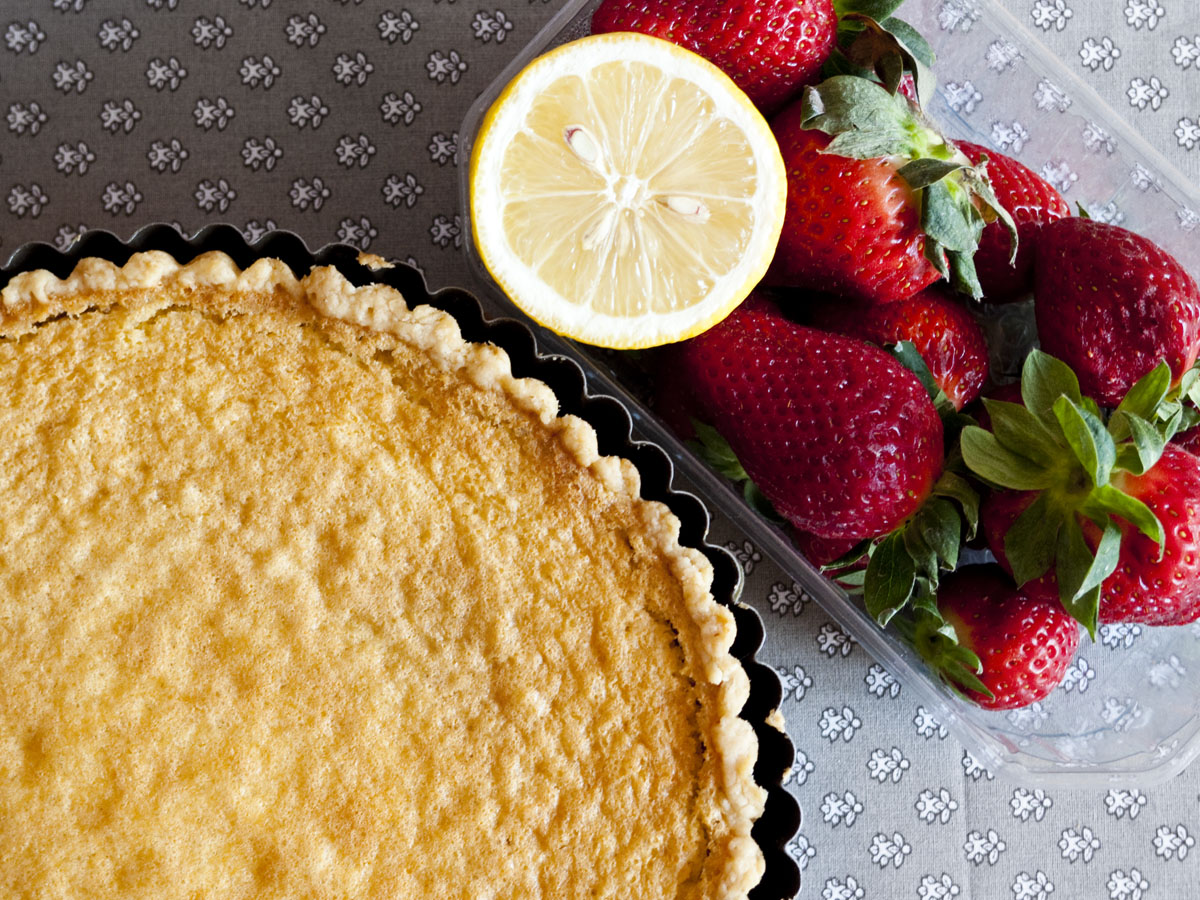
Tarte Au Citron

Dear Devon

Hands down, Anne Willan’s recipe for tarte au citron is the best. One of my all time favorite desserts, tarte au citron is one of late afternoon, last minute desserts. I have experimented with graham cracker crumb crusts, whizzed whole oranges with sugar in food processors, and topped pale yellow tartes with fresh raspberries. Julia Child, Dorie Greenspan, Patricia Wells, Ina Garten, all have their tarte au citron recipes (which I have meticulously ranked), but Anne Willan’s recipe recently catapulted to the top.

A few weeks back, I hosted a small dinner party. The menu included a creamy blanquette de veau, simple garden salad, and two desserts: tarte au citron and a lovely fruit-topped, whipped cream laden cake from the pastry shop. Dinner was followed by an all night marathon of friendly poker, after which that wonderful cake was a welcome sight. It was a great evening and reminded me of why I love hosting dinner parties. I have a chance to serve a variety of recipes that would otherwise remain in black and white print.

Except for one adjustment, I followed her recipe exactly. The recipe called for ¾ cup almond flour. I’m still not so good with the numbers, so I ordered too small a bag from the dry goods stand. So, I added dried coconut to equal the full ¾ cup. The coconut was a nice addition, subtly balancing the tartness of the lemon filling. However, the biggest surprise was the call for pulverized almond instead of cream. I was a bit hesitant at first, but am now a firm believer in almond flour over cream in all tarte au citron recipes. The tart had a nice light texture and held its shape nicely after each slice. I will never go back to cream, when almond flour can be substituted.

Whipping the egg and lemon juice to the ribbon stage nearly killed me. My shoulder muscle is cramping as I type. I have a new respect for those pre-KitchenAid chefs. I have temporarily shelved an attempt at chocolate mousse in favor of the less labor-intensive dessert of cut fruit.

I intended to top the tarte with macerated strawberries. But at the last moment, I opted to serve the berries at the end as a finishing course. The tarte is so good, that it doesn’t need further embellishments. It is a stand alone dessert.

Pull your copy of The Country Cooking of France from your shelf and try it. I’m dying to hear your thoughts, but please use your electric beater.

Tarte Au Citron
(serves 8)

Pate a Sucre
I used Julia Child’s recipe from Mastering the Art of French Cooking.

Lemon Filling
½ cup ground almonds
¼ cup shredded coconut
3 /4 cup granulated sugar
3 eggs
grated zest of 2 lemons
¼ cup lemon juice
2/3 cup butter melted

Prepare pate a sucre according to Julia Child’s recipe from Mastering the Art of French Cooking.

Blind bake the tart shell until light golden brown.

For the filling, beat eggs and sugar until the mixture until thick and pale yellow. The mixture should leave a ribbon trail when the whisk is lifted. Stir in the lemon zest, lemon juice, and butter. Stir in the ground almonds and the coconut.

Set the tart shell on a hot baking sheet and pour in the filling. Bake until set and golden brown, 25 to 30 minutes. Let cool on a wire rack before unmolding. Serve at room temperature.

Thursday, May 26, 2011

Pan Roasted Zucchini Sandwiches

Dear Devon,

I can’t believe a whole month has passed since I last wrote. As of late March, my life has been busy with visits from friends and family, all eager to enjoy the sunshine, fresh seafood, and explore the streets of Barcelona. And then there was all the travel: Two trips to Madrid, a weeklong stay in Andalucia, and a short daytrip to Montserrat.

Renee came out for a month long visit, took a week of Spanish classes, and was a willing traveling companion. She organized a short trip to Madrid, which included a visit to the Royal Palace, Sunday morning rambling at El Rastro (the biggest flea market in the world), and an afternoon at the Prado Museum. In between those stops, I dragged her through the streets of Madrid, scouting out churches, convents, and… restaurants. If you are vegetarian, Madrid isn’t the friendliest of cities, but if you love pork, you’ve hit the jackpot. After her departure in early May, two more guests took their turns sleeping on the inflatable mattress in the living room.


Our last guest left early Monday morning. The air mattress can finally get its much- needed rest. The process of putting the house back together began this morning, with long neglected errands penciled in for the afternoon. I am easing back into my routine and gearing up for a hot, hot summer. Thanks to one of my guests, we discovered that some of the best ice cream in Barcelona is blocks from the apartment. Our brand-new, and all-too-necessary ice cube trays are cooling in the freezer, and today, the all-important fan will be broken out of its box.

Today’s lunch will also be low key. Pan roasted zucchini, fresh tomato, and Mahon cheese between slices of grilled baguette. A cow’s milk cheese from the Balearic Islands just south of Barcelona, Mahon cheese is smooth and rich with a sharp floral note. I usually serve it with a slice of crisp apple, but have found that its strong flavor complements the butter-like taste of roasted zucchini. It’s the perfect, limited prep sandwich for maximum taste.


Pan Roasted Zucchini Sandwiches
(serves 2)

One loaf of fresh baguette (or day old works nicely too)
1 zucchini, sliced lengthwise
1 tomato, sliced into generous ½ inch slices
Mahon cheese, sliced
1 garlic clove, peeled
Olive oil
Salt

Heat up a skillet with a drop of olive oil. Halve baguette and slice lengthwise. Lightly drizzle sliced bread with olive oil. When the skillet is nice and hot, set baguettes cut side down into the skillet. Slowly toast, until golden brown. Remove. Scrape the peeled garlic clove over the hot, toasted bread. Top with tomato. Place sliced cheese on the second half. Set aside. Add a drop more olive oil. Over medium heat, slowly cook sliced zucchini until golden brown. Set cooked zucchini over cheese and bread.

Thursday, April 28, 2011

Ripoll, Catalonia

Dear Devon,

As much as I love urban life, sometimes it is nice to know that an entirely different world awaits me only an hour’s drive from the city limits. In that spirit, we packed up a rental car with a few sandwich-making goodies including loaves of bread, cheese, chocolate (wait, that’s not for sandwiches), cured meats, and apples, and headed to the Pyrenees.

Fortunately, I was not pressed into service as a driver, so I lounged in the back seat, thoughts focused on the intermittently rocky and verdant scenery. Guided by an antique, but still serviceable road atlas and the most recent edition of Lonely Planet Spain (which we tried to ignore), we turned what started as a one-day excursion into a two-day affair. There was no definite plan, and no hotel reservation, no real discussion of endpoints or mealtimes.

We stopped around lunchtime in the town of Ripoll, famous for its Romanesque monastery. It was a beautiful day, so we parked at the train station, and grabbed our lunch and strolled into town. The Saturday market was in full swing. A dusty street was given over to mobile stands of hanging sausages, tubs of olives, crates of vegetables, and other sensual things that caught our attention before we could find our way to the monastic complex at the center of town.

Though we had dutifully brought our own lunches, the smell of slow roasted, herb spiced chicken at a truck parked on the market street was irresistible. For eight euros our humble sandwiches were upstaged by a piping hot roasted chicken, roughly cut by the vendor with a pair of large, and obviously very sharp scissors. Lacking utensils or napkins, we dove into our lunch. Ten minutes later, we were sitting on a bench in front of the church-museum, debating the merits of lunch versus cultural edification. Bellies full and a bit pleased with our lack of decorum, we crossed the street to the monastery, only to find the doors closed for… lunch. Undeterred, we found an empty table in the sun-filled plaza, ordered coffee, and spent two hours in relaxed conversation.

By the way, despite having been very enthusiastically restored a century ago, the monastery is worth the visit, even on non-market days.